




Table of Contents
Table of Contents
August has rolled in with a wave of challenging updates for cross-border sellers. If you're shipping from China to the U.S., you may have noticed a sudden tightening of costs and customs rules right in the summer heat. From the controversial end of de minimis exemptions to revamped cube-based surcharges from FedEx and UPS, plus looming U.S. port fees on Chinese vessels, it feels like margin pressure went from mild to intense overnight.

At SendFromChina, we work alongside sellers like you every day—keeping a close eye on policies, fine-tuning logistics strategies, and ensuring shipping stays resilient. So let’s break down what's unfolding, what’s coming, and how to adapt—not just survive, but manage smartly amid volatility.
For six months, those shipments going through international postal services will face either:
- A flat specific tariff—$80, $160 or $200, depending on country-of-origin tariff levels—or
- An ad valorem duty (percentage-based), depending on IEEPA-based tariff rates. After six months, duties will shift entirely to ad valorem.
Sellers using express carriers like FedEx and UPS will also lose exemption; all low-value parcels will be fully taxed.
Moreover, postal services in Europe, such as PostNord and bpost, have already paused U.S.–bound parcel shipments—citing tight deadlines and unclear guidance under the new rules.
- Full customs compliance—including proper duty calculations and paperwork—is now mandatory even for low-value items.
- Many 3PLs are shifting to U.S.-based fulfillment to avoid customs complexity.
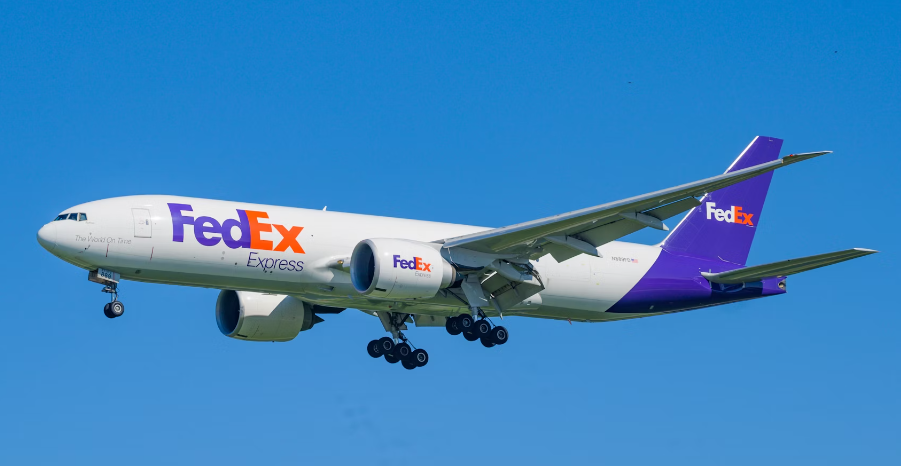
What’s changing at FedEx? Starting August 18, 2025, FedEx will:
- Raise the import processing fee from US$1.50 per shipment to US$2.50—a 67% increase, across all inbound parcels.
- Tighten up dimensional weight measurements: instead of rounding down dimensions by half an inch, all fractional measurements (under 1 inch or 1 cm) will be rounded up. As a result, package volume—and cost—could increase by around 20% if dimensions fall into a high-cost bracket.
- Additional Handling Charge (AHC) applies to parcels over 8,640 in³ in cubic volume.
- Surcharge amounts vary by zone and type (commercial vs. residential), ranging from ~$205 to $305.
- Break large shipments into smaller boxes to avoid surcharges.
- Or consolidate smartly to keep cubic volume in check.
- Phase 1: Starting October 14, ships owned or operated by Chinese entities, or built in China, will be assessed US$50 per net ton (or per container), increasing by US$30 annually until reaching US$140 per ton by 2028.
- Phase 2: In 2028, new restrictions will ban foreign vessels from transporting U.S. LNG exports unless the proportion of U.S.-built and -operated vessels reaches 15% within 10 years.
For cross-border sellers, the margin squeeze is undeniable. Yet, opportunity remains for those who act strategically. Whether it's tightening your packaging to avoid dimensional weight penalties, relocating inventory to U.S. hubs, embracing bonded warehousing, or leveraging custom-managed fulfillment systems—being nimble is your greatest asset.
1. De Minimis Exemption Suspended—No More Duty-Free Packages Under $800
What changed? On July 30, 2025, the White House signed an executive order eliminating the U.S. de minimis exemption—starting August 29, 2025, packages valued $800 or less (once duty-free) will now be taxed with "all applicable duties."For six months, those shipments going through international postal services will face either:
- A flat specific tariff—$80, $160 or $200, depending on country-of-origin tariff levels—or
- An ad valorem duty (percentage-based), depending on IEEPA-based tariff rates. After six months, duties will shift entirely to ad valorem.
Sellers using express carriers like FedEx and UPS will also lose exemption; all low-value parcels will be fully taxed.
Why it matters
The de minimis rule has been a linchpin of affordable e-commerce logistics—especially for platforms like Shein and Temu, which cleverly leveraged $800-or-less shipments to reach U.S. shoppers cheap and fast. Now, that friction-free advantage is gone.Moreover, postal services in Europe, such as PostNord and bpost, have already paused U.S.–bound parcel shipments—citing tight deadlines and unclear guidance under the new rules.
Takeaway for sellers
- Expect higher landed costs and longer clearance times.- Full customs compliance—including proper duty calculations and paperwork—is now mandatory even for low-value items.
- Many 3PLs are shifting to U.S.-based fulfillment to avoid customs complexity.
2. FedEx Hikes Import Processing and Dimensional Weight Rules (Effective August 18, 2025)
- Raise the import processing fee from US$1.50 per shipment to US$2.50—a 67% increase, across all inbound parcels.
- Tighten up dimensional weight measurements: instead of rounding down dimensions by half an inch, all fractional measurements (under 1 inch or 1 cm) will be rounded up. As a result, package volume—and cost—could increase by around 20% if dimensions fall into a high-cost bracket.
- Additional Handling Charge (AHC) applies to parcels over 8,640 in³ in cubic volume.
- Surcharge amounts vary by zone and type (commercial vs. residential), ranging from ~$205 to $305.
Who feels it most?
Large, bulky items—especially low-density packages—will face sudden surcharge upticks.Seller strategy hints
- Optimize packaging dimensions where possible.- Break large shipments into smaller boxes to avoid surcharges.
- Or consolidate smartly to keep cubic volume in check.
3. October Arrival: U.S. Port Fees on China-Owned/-Operated Vessels
Looking ahead to October 14, 2025, the U.S. will begin imposing port fees on Chinese shipping vessels—part of a phased policy announced earlier by USTR:- Phase 1: Starting October 14, ships owned or operated by Chinese entities, or built in China, will be assessed US$50 per net ton (or per container), increasing by US$30 annually until reaching US$140 per ton by 2028.
- Phase 2: In 2028, new restrictions will ban foreign vessels from transporting U.S. LNG exports unless the proportion of U.S.-built and -operated vessels reaches 15% within 10 years.
4. What Do Experts from SendFromChina Say
To navigate the evolving logistics landscape and maintain profitability, SendFromChina experts recommend optimizing packaging to minimize dimensional weight charges, consolidating shipments to take advantage of bulk shipping rates, implementing flat-rate shipping for predictable pricing, considering regional carriers for cost-effective short-distance deliveries, regularly reviewing shipping policies to stay updated with carrier rate changes, and outsourcing fulfillment to third-party logistics providers to reduce overhead costs and improve efficiency.5. Conclusion
In summation, August 2025 marks a pivotal moment for cross-border trade, as multiple key policy shifts—from the removal of the U.S. de minimis exemption to radical updates in FedEx and UPS surcharges and looming port fees on Chinese vessels—collectively reshape the cost and complexity of shipping.For cross-border sellers, the margin squeeze is undeniable. Yet, opportunity remains for those who act strategically. Whether it's tightening your packaging to avoid dimensional weight penalties, relocating inventory to U.S. hubs, embracing bonded warehousing, or leveraging custom-managed fulfillment systems—being nimble is your greatest asset.
 Want to know about our services, fees or receive a custom quote?