




Table of Contents
Table of Contents
In the fast-paced world of e-commerce, small businesses are no longer just competing with local stores—they’re up against global giants. By 2025, customer expectations will be higher than ever: same-day shipping, carbon-neutral deliveries, and seamless returns. How can a small business keep up? The answer lies in fulfillment centers. Our guide dives into why these hubs are game-changers, how to pick the right partner, and what trends will dominate 2025. Let’s get started.
- By 2025, 73% of small businesses will outsource fulfillment to stay competitive (Source: Forbes).
- Top trends include AI-driven logistics, eco-friendly practices, and micro-fulfillment hubs.
- Avoid mistakes like underestimating hidden costs or ignoring scalability.
For example, imagine you sell handmade candles. Instead of renting a garage, packing orders at 2 a.m., and dealing with postal delays, a fulfillment center stores your inventory and ships orders for you. Fulfillment centers frees you to focus on marketing, product development, or finally taking a weekend off.
But here’s the kicker: Modern fulfillment centers aren’t just warehouses with fancy labels. By 2025, they’ll integrate AI-driven tools, robotics, and real-time analytics to optimize operations.
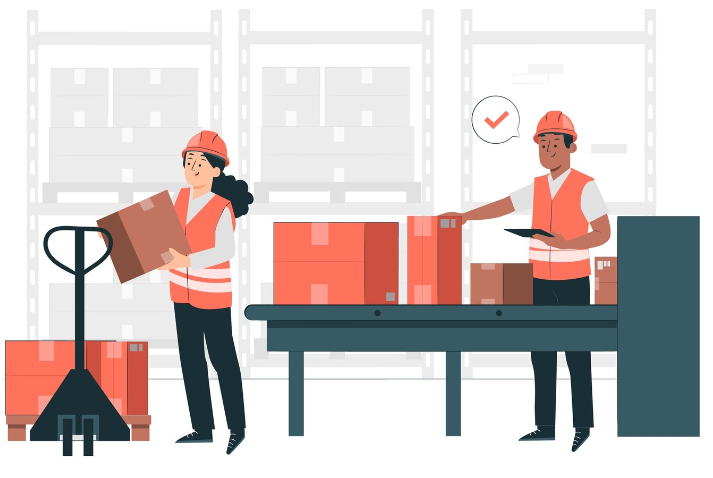 The numbers don’t lie. According to eMarketer, global e-commerce sales will hit $7.4 trillion by 2025, with small businesses accounting for 40% of this growth. But scaling isn’t just about selling more—it’s about delivering faster, cheaper, and smarter. Here’s why outsourcing fulfillment is non-negotiable:
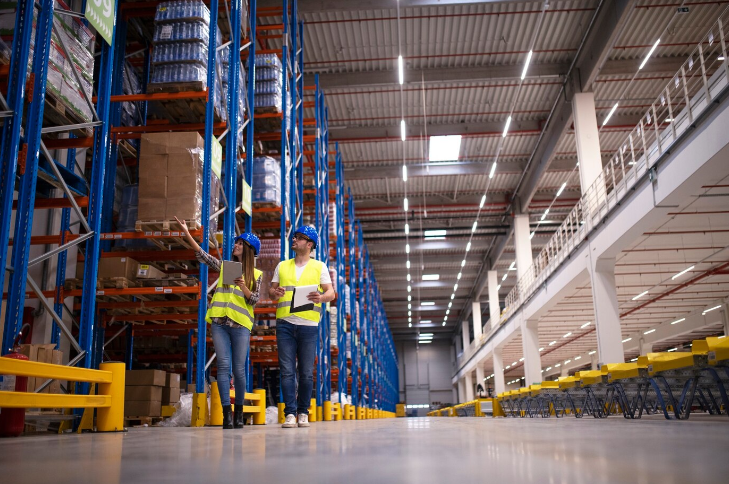
Not all fulfillment centers are created equal. Here’s how to avoid costly mismatches:
Key Takeaways
- Fulfillment centers handle storage, packing, and shipping, letting businesses focus on growth.- By 2025, 73% of small businesses will outsource fulfillment to stay competitive (Source: Forbes).
- Top trends include AI-driven logistics, eco-friendly practices, and micro-fulfillment hubs.
- Avoid mistakes like underestimating hidden costs or ignoring scalability.
1. What Exactly Is a Fulfillment Center?
Let’s start with the basics. A fulfillment center is a third-party facility that stores, packages, and ships products on behalf of businesses. Unlike traditional warehouses (which focus solely on storage), fulfillment centers handle the entire order lifecycle—from inventory management to last-mile delivery.For example, imagine you sell handmade candles. Instead of renting a garage, packing orders at 2 a.m., and dealing with postal delays, a fulfillment center stores your inventory and ships orders for you. Fulfillment centers frees you to focus on marketing, product development, or finally taking a weekend off.
But here’s the kicker: Modern fulfillment centers aren’t just warehouses with fancy labels. By 2025, they’ll integrate AI-driven tools, robotics, and real-time analytics to optimize operations.
2. Why Small Businesses Need a Fulfillment Center in 2025
Cost Efficiency
Renting storage space, hiring staff, and managing shipping in-house drains resources. A 2024 Deloitte study found that small businesses using 3PLs reduced logistics costs by 28% on average. Fulfillment centers bulk-negotiate shipping rates, passing savings to you.Scalability Without Headaches
Seasonal spikes? New product launches? A fulfillment center scales up or down instantly. No more fretting over holiday rushes or dead inventory post-Christmas.Focus on Core Competencies
Let’s face it—you didn’t start a business to pack boxes. Outsourcing fulfillment reclaims 15–20 hours a week, according to a 2023 Shopify survey, letting you strategize growth instead of drowning in logistics.Faster Delivery Times
With 56% of online shoppers abandoning carts due to slow shipping (Baymard Institute, 2023), speed matters. Fulfillment centers use distributed networks to place inventory closer to customers, slashing delivery times.3. How to Choose the Right Fulfillment Partner in 2025
 Want to know about our services, fees or receive a custom quote?